
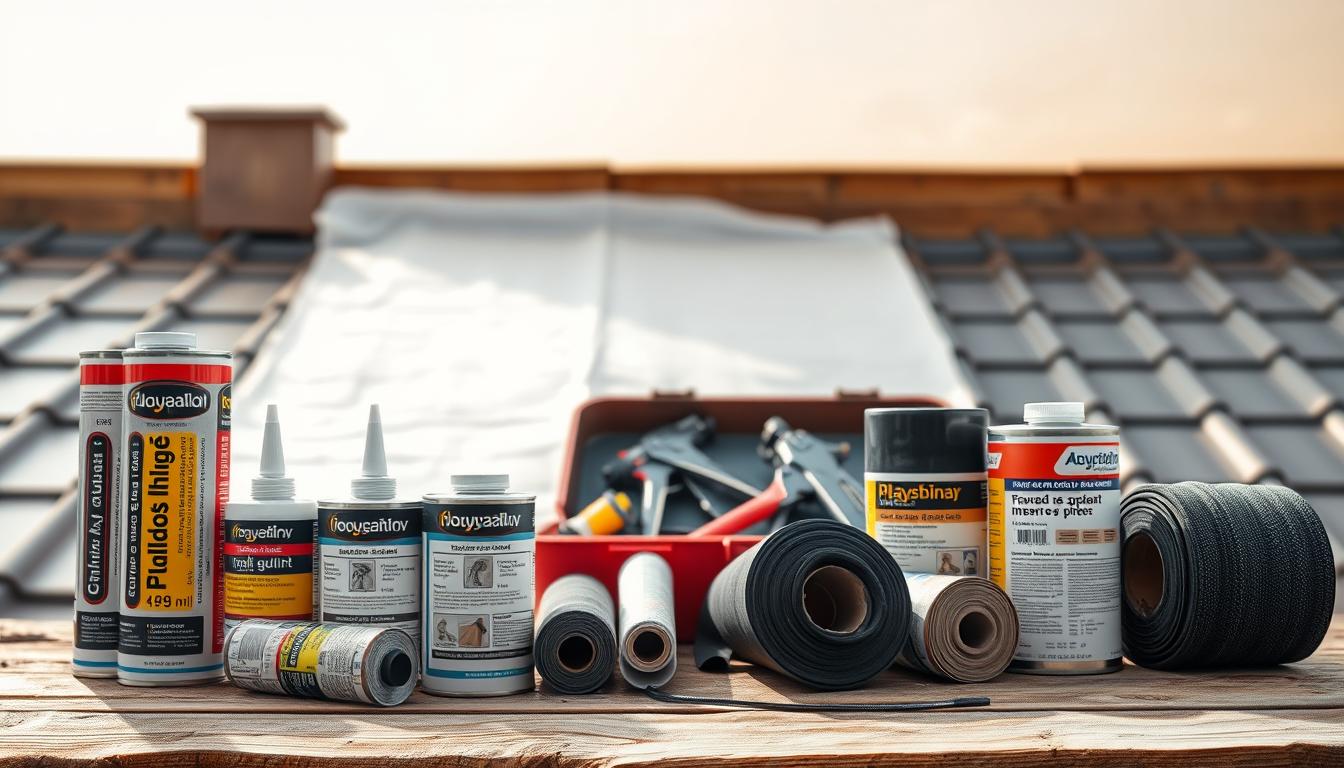
Have you ever wondered why some VULCAN Plastics flat roofing sheets last for decades while others fail within a few years? The answer often lies in the effectiveness of sealing and caulking methods used. For your commercial flat roof materials, proper sealing at joints and penetrations is crucial. This not only maintains the waterproof integrity of your flat roofing sheets but also prevents costly repairs down the line. Waterproof roofing sheets require precise installation to ensure longevity, making the choice of materials and methods vital.
VULCAN Plastics stands out as a key player in providing high-quality sealing products specifically designed for flat roofing sheets. Their solutions ensure that your low slope roofing solutions are protected against water intrusion and damage. Understanding the importance of these sealing and caulking methods will empower you to make informed decisions about maintaining your flat roofing sheets.
Key Takeaways
- Sealing and caulking are essential for the longevity of flat roofing sheets.
- Proper installation prevents leaks and costly repairs.
- VULCAN Plastics offers reliable sealing products for flat roofing applications.
- Understanding sealing methods can enhance your roofing maintenance strategy.
- Waterproof integrity is critical for commercial flat roof materials.
Why Are Sealing and Caulking Important for Flat Roofing Sheets?
Sealing and caulking play a crucial role in maintaining the integrity of your flat roofing sheets. Whether you use corrugated roofing panels, metal roof sheets, or a PVC roofing membrane, proper sealing protects against moisture and debris. This barrier is essential for vulnerable joints and penetrations where leaks often occur.
What Types of Sealing Methods Are Commonly Used for Flat Roofing Sheets?
There are several effective sealing methods for flat roofing sheets:
- Gun-applied caulking sealants
- Butyl tape
Each method has its specific applications and benefits. For example, caulking is ideal for filling gaps and cracks, while butyl tape offers a strong bond for seams.
How Does Caulking Affect the Longevity of Flat Roofing Sheets?
Caulking significantly enhances the longevity of flat roofing sheets. When applied correctly, it accommodates roof movement and prevents water intrusion. Using quality products from VULCAN Plastics ensures a durable seal that withstands the elements.
What Are Common Issues Faced with Flat Roofing Sheets Joints?
Flat roofing sheets can face several common issues, including:
- Sealant degradation over time
- Improper installation techniques
- Material incompatibility
These factors can lead to leaks and premature roof failure. Understanding these challenges allows you to make informed decisions about maintaining your flat roofing sheets effectively.
What Materials Are Best for Sealing Flat Roofing Sheets?
Selecting the right materials for sealing your flat roofing sheets is essential for ensuring their durability and performance. Various options exist, including EPDM rubber roofing, TPO roofing systems, and fiberglass roofing panels. Each material requires specific sealants that can withstand environmental challenges.
What Are the Benefits of Using VULCAN Plastics Products for Flat Roofing Sheets?
VULCAN Plastics offers high-quality sealing products designed for flat roofing sheets. Benefits include:
- Excellent adhesion to various roofing materials.
- Flexibility that accommodates temperature changes.
- Superior weather resistance against UV rays and moisture.
How Do You Choose the Right Sealant for Flat Roofing Sheets?
Choosing the correct sealant is crucial for effective sealing. Consider the following factors:
- Compatibility with your flat roofing sheets material.
- Ease of application for quick installation.
- Durability to withstand harsh weather conditions.
What Role Does Weather Resistance Play in Flat Roofing Sheets Materials?
Weather resistance is vital for maintaining the integrity of your flat roofing sheets. It prevents sealant breakdown and ensures a watertight seal over time. Using VULCAN Plastics products guarantees that your roofing system remains protected against environmental factors.
By investing in the right materials and sealants, you ensure the longevity of your flat roofing sheets. Trust VULCAN Plastics for your sealing needs to keep your roofing system secure and effective.
How Can You Properly Maintain Sealed Flat Roofing Sheets?
Maintaining your sealed flat roofing sheets is vital for ensuring their longevity and waterproof performance. Regular upkeep prevents leaks and protects your investment in commercial flat roof materials. Start by cleaning debris off the surface and inspecting for any cracks or gaps in the sealant. Keeping all joints and penetrations securely sealed is crucial for effective maintenance.
You should inspect your flat roofing sheets for sealing at least twice a year. After severe weather events, a thorough check is essential. This proactive approach helps you identify early signs of deterioration. Regular inspections can save you from costly repairs down the line.
Look for specific signs that indicate your flat roofing sheets need resealing. Visible cracks in the sealant, water stains inside your building, or noticeable leaks around joints are key indicators. Utilizing high-quality maintenance sealants from VULCAN Plastics ensures your flat roofing sheets receive the best protection when resealing is necessary. By staying vigilant with maintenance and inspections, you can keep your low slope roofing solutions performing optimally for years to come.